


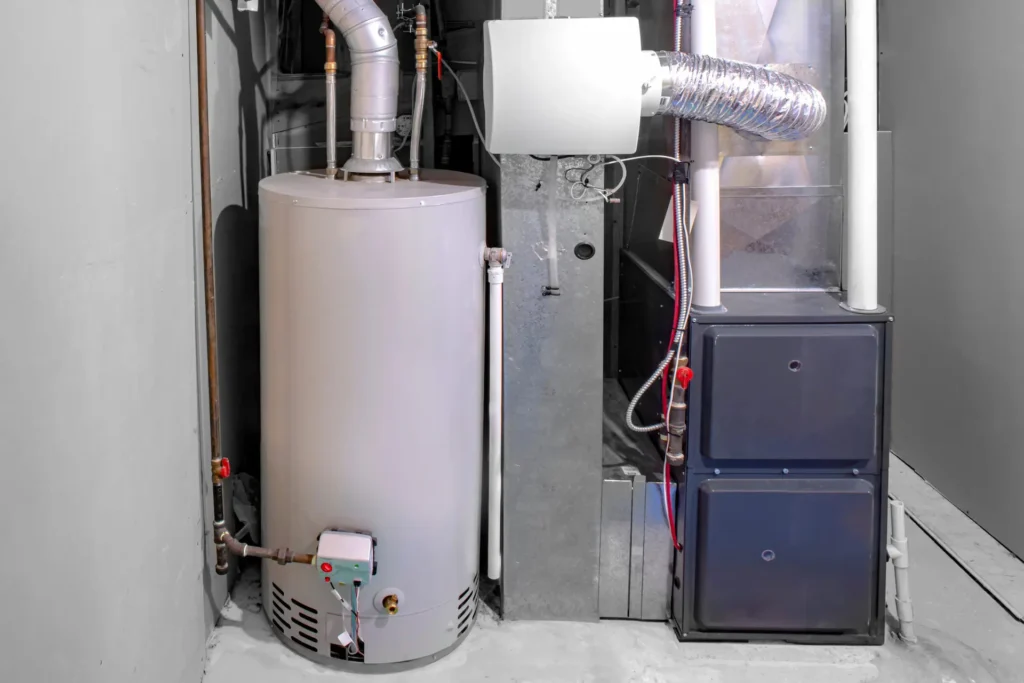
“How long do water heaters actually last?” It’s one of those questions you never think about until you’re standing in a cold shower.
Maybe your hot water doesn’t last as long as it used to. Or maybe you just bought a home and noticed the water heater in the basement looks old, and you’re wondering how much time you have left before it becomes a problem.
Here’s the short answer: a traditional tank water heater lasts 8 to 12 years on average, while a tankless water heater can last 20 years or more with proper maintenance. But those are just averages. The actual lifespan of your water heater depends on the type of unit, the quality of the installation, your water quality, and more.
This guide covers everything homeowners need to know, like how long each type of water heater lasts, what shortens (and extends) their lifespan, the warning signs that yours is on its way out, and how to decide between repair and replacement.
Average Water Heater Lifespan by Type
Not all water heaters age at the same rate. The type of unit in your home is the single biggest factor in how long you can expect it to keep working.
| Water Heater Type | Average Lifespan | With Excellent Maintenance |
| Gas Tank Water Heater | 8–12 years | 12–15 years |
| Electric Tank Water Heater | 10–15 years | 15+ years |
| Tankless (Gas or Electric) | 15–20 years | 20–25+ years |
| Heat Pump (Hybrid) Water Heater | 10–15 years | 15+ years |
Gas Tank Water Heaters
The most common type in American homes, gas tank heaters typically last 8 to 12 years. The combustion process and the constant thermal cycling of heating stored water put steady wear on the tank and its components. Gas units tend to wear slightly faster than electric models, but they heat water more quickly and typically cost less to operate.
Electric Tank Water Heaters
Electric tank units usually last a bit longer (10 to 15 years) because they have fewer components exposed to combustion heat. The tradeoff is slower recovery time and, depending on utility rates, potentially higher operating costs.
Tankless Water Heaters
Tankless (on-demand) water heaters are the longevity champions, routinely lasting 15 to 20 years and often longer. Because they don’t store water, they avoid the tank corrosion that ultimately kills traditional units. They’re also modular: individual components can be repaired or replaced over time, extending the unit’s overall life in a way that isn’t possible once a traditional tank corrodes through. According to the Department of Energy, tankless units are also 24–34% more energy efficient than storage tank models.
Heat Pump (Hybrid) Water Heaters
These newer, high-efficiency units typically last 10 to 15 years. They use less energy than standard electric tanks but have more mechanical components (compressor, fan) that require occasional attention.
What Determines How Long Your Water Heater Lasts?
Two identical water heaters installed on the same day can have very different lifespans. Here’s why.
Water Quality and Hardness
This is a big one. If your area has hard water, your supply carries dissolved minerals like calcium and magnesium. When hard water is heated, those minerals precipitate out and settle at the bottom of the tank as sediment. Over time, that sediment layer forces the unit to work harder, overheats the bottom of the tank, and accelerates corrosion.
Maintenance History
A water heater that gets flushed annually and has its anode rod checked every few years can outlast a neglected unit by five years or more. Most water heaters that die at year 8 didn’t have to.
Installation Quality
Correct sizing, proper venting, appropriate water pressure, and code-compliant installation all affect lifespan. An undersized unit that runs constantly to keep up with demand wears out faster. A unit installed without a thermal expansion tank in a closed system endures pressure stress it was never designed for.
Usage Volume
A water heater serving a family of six works far harder than the same unit serving a single person. More heating cycles means more thermal stress and faster wear.
Water Pressure
Household water pressure above 80 PSI stresses the tank, fittings, and relief valve. If your home has high pressure, a pressure-reducing valve protects your water heater along with every other plumbing fixture in the house.
Temperature Setting
Running your water heater hotter than necessary accelerates sediment buildup and tank stress. Most households do well at 120°F — which is also the temperature the Mayo Clinic recommends staying below to reduce scald risk, especially in homes with young children.
7 Warning Signs Your Water Heater Is Failing
Water heaters rarely die without warning. Knowing the signs gives you the chance to replace on your schedule.
1. Your Water Heater Is 10+ Years Old
Age alone is the most reliable predictor. If your tank unit is past the 10-year mark, it’s living on borrowed time even if it seems fine. You can find the manufacture date encoded in the serial number on the unit’s label. Most manufacturers use the first few characters to indicate the month and year.
2. Rusty or Discolored Hot Water
If your hot water (but not your cold water) comes out rusty, brownish, or metallic-tasting, the inside of your tank is corroding. Once corrosion starts eating through the tank walls, replacement is a matter of when, not if.
3. Rumbling, Popping, or Banging Noises
Those sounds are sediment. As the burner heats the tank, water trapped beneath the hardened sediment layer boils and bursts through it, creating the rumbling you hear. Heavy sediment buildup means the tank bottom is overheating with every cycle — a fast track to failure.
4. Water Pooling Around the Base
Moisture or standing water around the base of the unit can indicate a leaking fitting or valve (fixable) or a cracked tank (not fixable). A leaking tank must be replaced — and quickly, before a slow leak becomes a burst tank and a flooded basement.
5. Not Enough Hot Water (Or None at All)
If your showers keep getting shorter, sediment may be displacing capacity inside the tank, or a heating element or burner may be failing. A sudden total loss of hot water usually points to a failed component, which may or may not be worth repairing depending on the unit’s age.
6. Water Takes Longer to Heat Up
Slower recovery between uses often signals sediment buildup insulating the water from the heat source, or aging heating components losing efficiency.
7. Rising Energy Bills
A water heater that’s working harder to deliver the same result consumes more energy doing it. Water heating already accounts for roughly 14–18% of the average household’s utility bill.
How to Make Your Water Heater Last Longer
The difference between an 8-year water heater and a 14-year water heater usually comes down to a few simple maintenance habits.
|
Maintenance Task |
How Often | Why It Matters |
| Flush the tank | Annually | Removes sediment before it hardens — critical in hard water areas |
| Check the anode rod | Every 2–3 years | The sacrificial rod corrodes so your tank doesn’t; replace it when depleted |
| Test the T&P relief valve | Annually | Confirms the safety valve opens properly under pressure |
| Check the temperature setting | Once | 120°F reduces tank stress, energy use, and scald risk |
| Inspect for leaks and corrosion | Every few months | Catching a fitting leak early prevents water damage |
| Add a pressure-reducing valve | If pressure exceeds 80 PSI | Protects the tank and your whole plumbing system |
The Anode Rod: Your Water Heater’s Unsung Hero
If there’s one maintenance item most homeowners have never heard of, it’s the anode rod. This is a metal rod (usually magnesium or aluminum) suspended inside your tank whose entire job is to corrode — sacrificing itself so the steel tank doesn’t rust. Once the rod is fully depleted, corrosion turns on the tank itself, and the countdown to failure begins.
Checking and replacing the anode rod every few years is one of the cheapest ways to add years to a tank water heater’s life. It’s a quick job for a professional during a routine service visit.
Repair or Replace? How to Decide
When a water heater acts up, the repair-or-replace question comes down to three factors: age, the nature of the problem, and cost.
When Repair Makes Sense
- The unit is under 8 years old
- The problem is a component, not the tank: thermostat, heating element, thermocouple, gas valve, or relief valve
- The repair cost is less than half the cost of a comparable new unit
When Replacement Makes Sense
- The unit is 10+ years old, even for a “small” repair, you’d be investing in a unit that’s near end-of-life anyway
- The tank itself is leaking or corroded (this is never repairable)
- Rusty water indicates internal tank corrosion
- Repairs are becoming frequent
- Your energy bills have climbed noticeably
A good rule of thumb: multiply the repair cost by the unit’s age. If the result exceeds the cost of a new unit, replace. For example, a $400 repair on a 10-year-old unit ($4,000) versus a $1,500 replacement — replacement wins easily.
The team at Maplewood Plumbing handles both sides of that decision honestly. Our licensed plumbers have provided water heater repair, replacement, and installation since 1985, and we’ll tell you straight whether a repair is worth making or whether your money is better spent on a new unit. Every installation is backed by our one-year warranty on parts and labor.
Should Your Next Water Heater Be Tankless?
If your water heater is approaching the end of its life, it’s worth deciding whether to replace it with another tank unit or upgrade to tankless. Here’s an honest comparison.
|
Factor |
Tank Water Heater | Tankless Water Heater |
| Lifespan | 8–12 years | 20+ years |
| Upfront cost | Lower | Higher (unit + possible retrofit) |
| Energy efficiency | Standard | 24–34% more efficient (per DOE) |
| Operating cost | Higher | Roughly $100+/year savings |
| Space required | Full floor footprint | Wall-mounted, compact |
| Hot water supply | Limited by tank size | Continuous, on demand |
| Downside | Runs out of hot water; tank corrosion risk | Flow rate limits simultaneous use |
The case for tankless comes down to the long game: a tankless unit lasts roughly twice as long as a tank unit, uses significantly less energy, never runs out of hot water, and frees up floor space in your basement or utility closet. Over its lifespan, a tankless unit can outlast two consecutive tank units (which changes the cost math considerably.)
The tradeoffs are real, though. The upfront cost is higher, and some homes need retrofitting: gas-fired models require proper venting, and electric models may need an electrical upgrade. That’s why the right answer depends on your home’s setup, your household’s hot water demand, and how long you plan to stay.
If you’re weighing the decision, Maplewood Plumbing’s tankless water heater installation team can assess your home and give you a clear recommendation — including whether your gas line, venting, or electrical service would need updating and what federal or state incentives you may qualify for.
Frequently Asked Questions About Water Heater Lifespan
How do I find out how old my water heater is?
Check the manufacturer’s label on the side of the unit. The serial number encodes the manufacture date — often the first two letters or digits indicate the month and year. If the label is illegible, a plumber can usually identify the unit’s approximate age from the model.
Can a water heater last 20 years?
A tankless water heater absolutely can — 20+ years is typical with routine maintenance. A tank water heater lasting 20 years is rare but not unheard of, usually in homes with soft water, consistent annual flushing, and regular anode rod replacement.
Is it dangerous to keep using an old water heater?
An aging unit isn’t inherently dangerous, but certain failures are serious: a leaking tank can flood your home, a malfunctioning relief valve creates pressure risk, and a failing gas unit needs immediate professional attention. If your old unit shows any warning signs, have it inspected.
Does flushing a water heater really extend its life?
Yes, significantly, especially if you have hard water. Annual flushing removes the sediment that hard water deposits before it hardens into an insulating layer. Sediment buildup is one of the leading causes of premature tank failure.
Should I replace my water heater before it fails?
If your tank unit is past 10 years old, proactive replacement is usually the smarter move. You get to choose the unit, schedule the installation at your convenience, and avoid the risk of a leak or flood.
What size water heater does my home need?
For tank units, a general guide: 30–40 gallons for 1–2 people, 40–50 gallons for 3–4 people, and 50–80 gallons for 5+. For tankless, sizing is based on flow rate (gallons per minute) rather than capacity.
How long does water heater installation take?
A straightforward tank-for-tank replacement typically takes 2–3 hours. A tankless conversion takes longer (often a full day) depending on venting, gas line, or electrical work required.
The Bottom Line About Water Heater Lifespan
A traditional tank water heater will give you 8 to 12 good years; a tankless unit can deliver 20 or more. Where your water heater falls in that range depends largely on factors you control: annual flushing, anode rod replacement, proper temperature settings, and catching small problems before they become big ones. If your unit is approaching the 10-year mark, or showing any of the warning signs above, don’t wait for the cold shower to make a plan. A proactive replacement on your schedule always beats an emergency replacement on your water heater’s schedule.
Not sure how much life your water heater has left? Call Maplewood Plumbing today at (314) 645-6350 for an inspection, repair, or replacement quote.
Comments are closed