
The Complete Plumbing Guide to Fat, Oil, and Grease
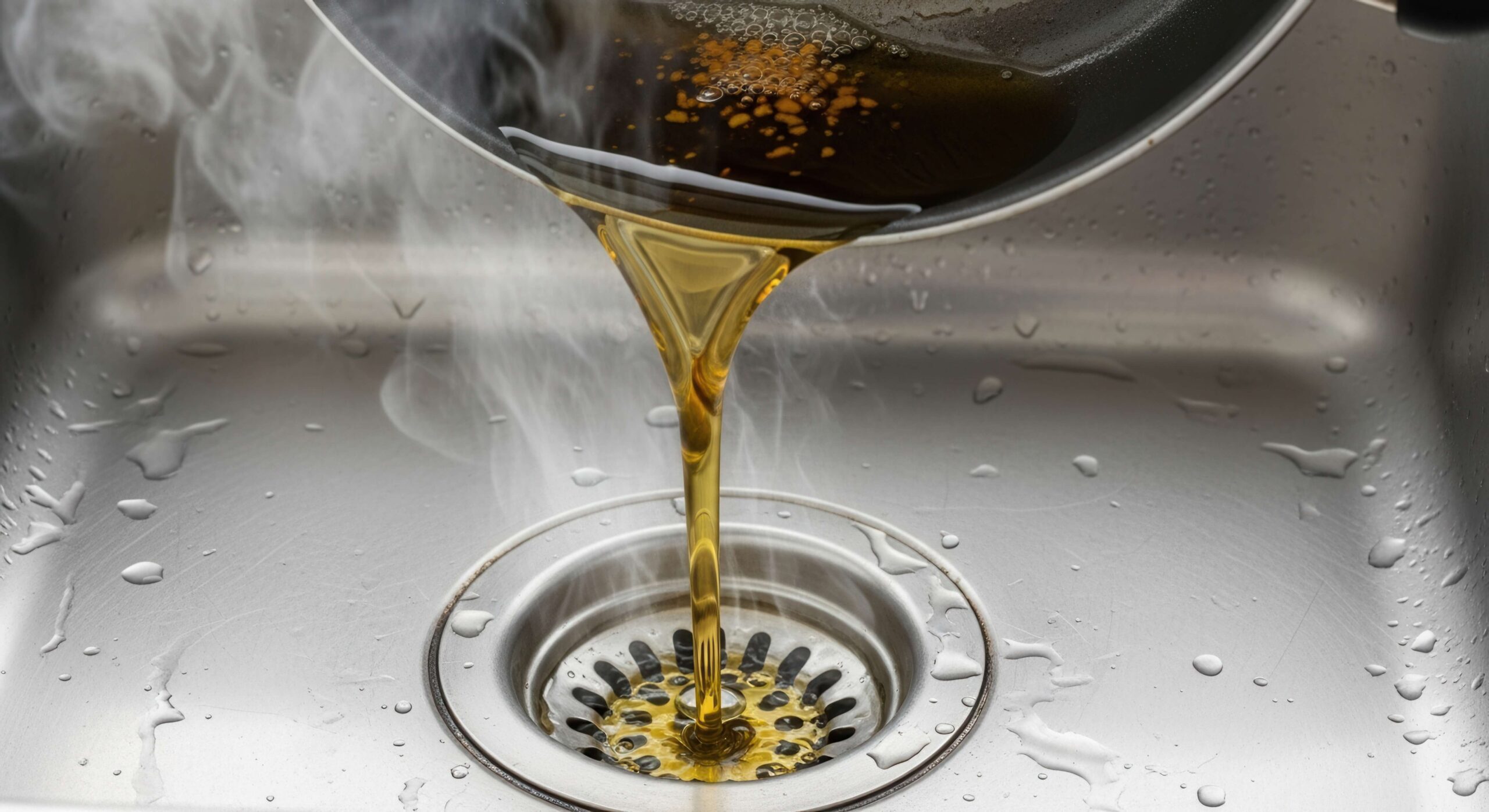
If you have ever poured leftover bacon grease down the kitchen sink or rinsed a greasy pan under hot water, you have contributed to one of the most common plumbing problems in the country.
Fat, oil, and grease, collectively known as FOG, refers to any fatty organic substance that enters your home or commercial drainage system with the potential to solidify, accumulate, and eventually block your pipes.
FOG is not limited to the obvious culprits. While cooking oil, lard, butter, and meat drippings come to mind first, the category also includes less obvious items such as salad dressings, dairy products, sauces, gravies, baked goods, peanut butter, mayonnaise, and even the natural oils rinsed from your skin during handwashing.
Basically, any lipid-based substance that washes down a drain can become part of the problem.
What Does FOG Stand For?
FOG stands for Fats, Oils, and Grease. It is the standard abbreviation used by plumbing professionals, municipal wastewater agencies, and the U.S. Environmental Protection Agency (EPA) to describe the category of organic substances that cause buildup inside drain lines, sewer mains, and wastewater treatment infrastructure.
While the three words are often grouped together, each component behaves differently at room temperature:
| Component | State at Room Temp | Common Examples |
| Fats | Solid or semi-solid | Butter, lard, meat trimmings, shortening, cheese |
| Oils | Liquid | Canola oil, olive oil, vegetable oil, coconut oil |
| Grease | Semi-solid (rendered fat) | Bacon drippings, pan drippings, gravy, sauces |
Despite their differences above the sink, all three share the same destructive behavior below it: they cool, congeal, and cling to the interior walls of your pipes. Over time, layer upon layer of this residue narrows the pipe diameter, traps food particles and debris, and creates stubborn blockages that hot water alone cannot dissolve.
Common Sources of Fats, Oils, and Grease
FOG enters your plumbing from two primary environments: residential kitchens and commercial food-service operations.
Residential Sources
In most homes, the kitchen sink is the main entry point for fat, oil, and grease:
- Cooking oils and fats poured directly down the drain after frying, sautéing, or roasting.
- Greasy residue rinsed from pots, pans, plates, and cooking utensils during dishwashing. Dairy products such as milk, cream, ice cream, yogurt, and cheese.
- Condiments and dressings including mayonnaise, ranch dressing, and butter-based sauces.
- Food scraps ground through a garbage disposal, which breaks solids into smaller particles but does nothing to remove their grease content.
- Soups, stews, and broths that contain rendered animal fats.
Even seemingly harmless activities, like rinsing a plate with leftover salad dressing, send FOG into your plumbing system, where it gradually accumulates.
Commercial and Restaurant Sources
Restaurants, cafeterias, food trucks, bakeries, and institutional kitchens generate FOG at a significantly higher volume. Deep fryers, griddles, prep stations, and high-volume dishwashing operations send large quantities of fat, oil, and grease into the drain system every single day. Without proper grease management, commercial kitchens can produce enough FOG to clog a main sewer line in a matter of weeks.
How FOG Damages Your Plumbing System
The reason FOG is such a persistent plumbing threat comes down to basic chemistry and physics. When you pour hot grease or oily water down the drain, it flows freely at first. But as it travels through your pipes and the temperature drops, the fat begins to solidify. It coats the interior pipe walls the same way grease hardens on a cold frying pan. This initial layer of congealed grease is sticky enough to trap other debris flowing through the pipe (food particles, coffee grounds, eggshells, hair, soap scum, and more).
Each subsequent deposit of FOG adds another layer, and the pipe’s effective diameter shrinks further with every use. Eventually the accumulation becomes severe enough to cause one or more of the following problems:
Slow and Clogged Drains
The earliest sign of FOG buildup is a kitchen sink that drains more slowly than usual. If you have noticed standing water in your basin after doing the dishes, grease accumulation is the most likely culprit. Left unaddressed, a slow drain will progress to a complete kitchen sink blockage.
Sewage Backups
When a FOG blockage becomes severe enough to fully obstruct the pipe, wastewater has nowhere to go but backward. The result is a sewage backup, where raw, untreated wastewater rises up through your floor drains, toilets, or kitchen sink. This is not only disgusting and disruptive, but it poses genuine health risks due to the bacteria, viruses, and pathogens present in sewage.
Pipe Corrosion and Structural Damage
Many homeowners reach for chemical drain cleaners when they encounter a grease clog. Unfortunately, these products are highly corrosive and can accelerate pipe deterioration, a condition plumbers call “channeling,” where the bottom of a horizontal pipe corrodes and eventually rots away. The fatty acids in decomposing grease also produce hydrogen sulfide gas, which attacks pipe materials from the inside out.
Sewer Line Damage
FOG does not stop at your interior drain pipes. Once it enters your main sewer lateral, it continues to accumulate on the way to the municipal sewer main. Severe grease buildup in a sewer line can attract invasive tree roots, which are drawn to the organic matter and moisture. If you suspect a sewer line problem, having a professional camera inspection performed can reveal whether grease accumulation is contributing to the issue.
Foul Odors
Trapped grease and organic matter decompose inside your pipes, producing sulfurous, rotten-egg odors that seep back into your home through the drain openings. These odors are a strong indicator that FOG buildup is present and advancing.
The Environmental and Public Health Impact of FOG
When FOG-caused blockages lead to sanitary sewer overflows (SSOs), the consequences extend far beyond a homeowner’s basement. Untreated sewage that escapes the sewer system can flow into storm drains, streams, rivers, lakes, and even drinking water sources.
The environmental and public health consequences of these overflows include:
- Contamination of surface water and groundwater with harmful bacteria, viruses, and parasites.
- Exposure risks for people, pets, and wildlife. Damage to aquatic ecosystems and fish habitats.
- Closure of recreational waterways and beaches.
- Costly cleanup operations funded by taxpayer dollars.
- Potential regulatory fines for municipalities that fail to control overflows.
That’s why preventing FOG buildup is, at its core, a community health issue. Every homeowner and business that keeps grease out of the drain system is helping to prevent the next sewage spill.
FOG Regulations and Compliance
Because of the danger that fats, oils, and grease pose to public sewer systems, the EPA requires publicly owned treatment works (POTWs) to implement FOG control programs. These programs are enforced at the local level, and requirements vary by municipality, but most share several common elements.
Commercial Requirements
Most jurisdictions require restaurants and food service establishments (FSEs) to install and maintain a properly sized grease trap or grease interceptor. These businesses are typically subject to periodic inspections by local wastewater authorities and must keep maintenance logs documenting regular pump-outs. Grease traps usually need to be cleaned when they reach 25 percent capacity, and many municipalities require pump-outs at least once every 90 days. Non-compliance can result in hefty fines, mandatory closures, and negative health department reports.
Residential Responsibilities
While homeowners are generally not required by law to install grease traps, they are still subject to local ordinances prohibiting the discharge of excessive FOG into the public sewer system. More importantly, the financial consequences of grease-clogged plumbing fall squarely on the homeowner. Depending on the severity of the buildup, you could get left with a serious bill.
How to Dispose of Fats, Oils, and Grease the Right Way
Knowing how to dispose of fats, oils, and grease correctly is the single most effective thing you can do to protect your plumbing. Here is the step-by-step process recommended by plumbing professionals and wastewater agencies nationwide:
Step 1: Cool It Down
After cooking, allow grease, oil, and fat to cool completely in the pot or pan. Never handle hot grease, and never pour it down the drain while warm (even with running hot water.) Hot water only pushes grease further into your pipes before it eventually cools, solidifies, and sticks.
Step 2: Contain It
Pour or scrape the cooled grease into a sturdy, sealable container. An empty coffee can, glass jar, or plastic takeout container works well. For larger volumes of cooking oil (from a deep fryer, for instance), use the original bottle or a sealed five-gallon container.
Step 3: Trash It or Recycle It
Once the container is full and sealed, dispose of it in your household trash. Many municipalities also offer cooking oil recycling programs. Contact your local waste management authority to find a drop-off location near you.
Step 4: Wipe Before You Wash
Before placing greasy dishes, pots, or utensils in the sink or dishwasher, wipe them thoroughly with a paper towel or disposable rag. This simple habit removes the majority of residual grease and keeps it out of your drain. Some estimates suggest that pre-wiping can remove up to 90 percent of the grease that would otherwise enter your plumbing.
Step 5: Use Sink Strainers
Install a mesh strainer or drain screen in every kitchen sink. Strainers catch food particles that would otherwise combine with grease in your pipes and accelerate clog formation. Clean the strainer after each use and discard the collected debris in the trash.
What Not to Do
Never pour cooking oil, fat, or grease directly down any drain, in any room of the house. You can’t rely on hot water, soap, or dish detergent to “wash” grease through your system. These methods may liquefy the grease temporarily, but it will re-solidify further downstream. Do not use your garbage disposal as a grease disposal system, either. It grinds food into smaller pieces but does not remove the fat content.
Understanding Grease Traps and Grease Interceptors
A grease trap (also known as a grease interceptor) is a plumbing device installed in the drainage system to separate and capture FOG before it reaches the municipal sewer.
Fats, oils, and grease float on water, so if you slow the flow of wastewater down long enough, the grease rises to the surface and can be contained.
How They Work
- Wastewater flows from the kitchen sink or dishwasher into the grease trap through an inlet pipe.
- Inside the trap, baffles (internal dividers) slow the flow and allow the water to cool. As the temperature drops, FOG solidifies and floats to the top.
- Heavier food solids sink to the bottom. The relatively clean water in the middle layer flows out through an outlet pipe and into the sewer system.
- The trapped grease and settled solids remain inside the device until they are pumped out during routine maintenance.
Key Differences
| Feature | Grease Trap | Grease Interceptor |
| Size | Compact (under-sink) | Large (in-ground tank) |
| Flow Rate Capacity | Under 50 gallons per minute | 50+ gallons per minute |
| Typical Location | Indoor, below the sink | Outdoor, buried underground |
| Common Users | Small restaurants, food trucks | Large restaurants, hospitals, cafeterias |
| Maintenance Frequency | Weekly to monthly | Monthly to quarterly (per regulations) |
| Construction | Plastic, steel, or fiberglass | Concrete, fiberglass, or steel |
Different Ways to Prevent FOG Buildup in Your Plumbing
The most important thing to understand about fat, oil, and grease is that prevention is far cheaper and simpler than repair. A grease-clogged sewer line can cost hundreds or even thousands of dollars to clear, while the habits that prevent it cost virtually nothing. The following strategies apply to every household, regardless of how often you cook or what type of plumbing you have.
Change Your Kitchen Habits
Most FOG enters the plumbing system during two routine activities: cooking and cleaning up afterward. Small adjustments to both make a significant difference. Rather than rinsing pots and pans immediately after cooking, let them cool, scrape or wipe the grease into a container, and then wash them.
When preparing meals that produce large amounts of fat (roasting a chicken, frying bacon, deep-frying anything) treat the leftover grease as trash, not wastewater. Get every member of the household on board; a single person regularly pouring grease down the drain can undo everyone else’s efforts.
Quick Note:
Most single-family homes do not produce enough FOG to justify a dedicated grease trap. However, some homeowners who cook frequently with large amounts of oil or fat may benefit from a small under-sink unit, especially if they have experienced repeat drain clogs.
Be Smart About Your Garbage Disposal
Garbage disposals are useful for small food scraps, but many homeowners overestimate what they can handle. A disposal grinds food into finer particles, it does not dissolve or remove the fat content. That’s why greasy food scraps, meat trimmings, cheese, sauces, and oily leftovers should always go in the trash.
Know the Four Main Warning Signs
-
Slow Drains
If your kitchen sink is draining noticeably slower than it used to, grease buildup is the most common cause.
-
Gurgling Sounds
Air trapped behind a partial blockage can produce gurgling or bubbling noises when water drains or when a nearby toilet is flushed.
-
Recurring Clogs
A drain that clogs, gets cleared, and then clogs again within weeks or months almost always has an underlying grease problem that a simple snaking will not solve.
-
Foul Odors
Sulfurous or rotten smells emanating from your kitchen drain indicate decomposing organic material (usually trapped grease) inside the pipe.
Quick-Reference Checklist for Preventing FOG Buildup
| Prevention Step | What to Do |
| Never pour grease down the drain | Cool it, contain it, trash it, or recycle it |
| Wipe cookware before washing | Use paper towels to remove residual fat from pots, pans, and plates |
| Install sink strainers | Catch food particles before they enter the drain |
| Limit garbage disposal use | Disposals grind food but do not remove grease content |
| Scrape plates into the trash | Food scraps belong in the garbage, not the drain |
| Avoid hot water as a grease fix | Hot water pushes grease deeper into pipes before it re-solidifies |
| Skip chemical drain cleaners | They corrode pipes and only provide temporary relief |
| Schedule annual drain cleaning | Professional hydro jetting removes buildup before it becomes a blockage |
| Recycle used cooking oil | Many communities accept cooking oil for biodiesel production |
| Educate your household | Make sure everyone in the home understands the rules |
Protect Your Pipes With Maplewood Plumbing
Fat, oil, and grease may seem harmless going down the drain, but the damage they cause to your plumbing is anything but. From slow kitchen sinks and foul odors to full sewage backups and corroded sewer lines, FOG is behind some of the most disruptive and expensive plumbing emergencies homeowners face.
The good news? These problems are almost entirely preventable. Call Maplewood Plumbing today at (314) 645-6350 to schedule drain cleaning, ask about our maintenance services, or get expert advice on keeping FOG out of your pipes.
Comments are closed