
You probably received a notice in the mail or saw a requirement on your business permit about “annual backflow testing.” Maybe your water utility mentioned something about backflow preventers during a service call. If you’re scratching your head wondering what backflow testing actually is and why anyone cares about it, you’re not alone. Most property owners have never heard of backflow testing until they’re suddenly required to get it done.
Here’s the short answer: backflow testing is a mandatory safety inspection that ensures contaminated water can’t flow backward into your clean water supply. It’s performed on special devices called backflow preventers, and in most areas, it’s required by law every year for certain properties. Miss your testing deadline, and your water service could be shut off without warning.
But there’s more to understand here. Backflow testing isn’t just bureaucratic red tape – it’s protecting your community’s drinking water from serious contamination that could cause widespread illness or even death. Let’s break down everything you need to know about backflow testing, from why it matters to how much it costs and what happens if you ignore those notices.
What Is Backflow and Why Is It Dangerous?
To understand backflow testing, you first need to understand backflow itself. Backflow occurs when water flows in the opposite direction from its intended path – essentially, when dirty water flows backward into clean water lines.
Under normal circumstances, water pressure in your municipal supply keeps water flowing from the street into your building and through your plumbing system. But certain conditions can cause this flow to reverse. When pressure drops in the main water line (due to a water main break, firefighting operations, or high demand), water from your building can get sucked back into the public water supply.
This becomes dangerous when that reverse-flowing water is contaminated. Consider a commercial kitchen with a dishwasher connected directly to the water line, or a building with a boiler system, or even a garden hose sitting in a bucket of fertilizer water. If backflow occurs, these contaminants could end up in the public drinking water system, potentially affecting hundreds or thousands of people.
The health risks are severe. Backflow can introduce bacteria, chemicals, pesticides, fertilizers, soap, food particles, and other dangerous substances into drinking water. Legionella bacteria from cooling towers, chemicals from industrial processes, or even sewage from certain plumbing configurations have all caused serious outbreaks when backflow contamination occurred.
One famous example occurred in Chicago in 1933, when backflow from a hotel’s plumbing system contaminated the municipal water supply and caused over 1,400 cases of amoebic dysentery. More recently, backflow incidents have caused hepatitis outbreaks, chemical poisoning, and other serious public health emergencies. This is why water utilities and health departments take backflow prevention so seriously.
What Is Backflow Testing?
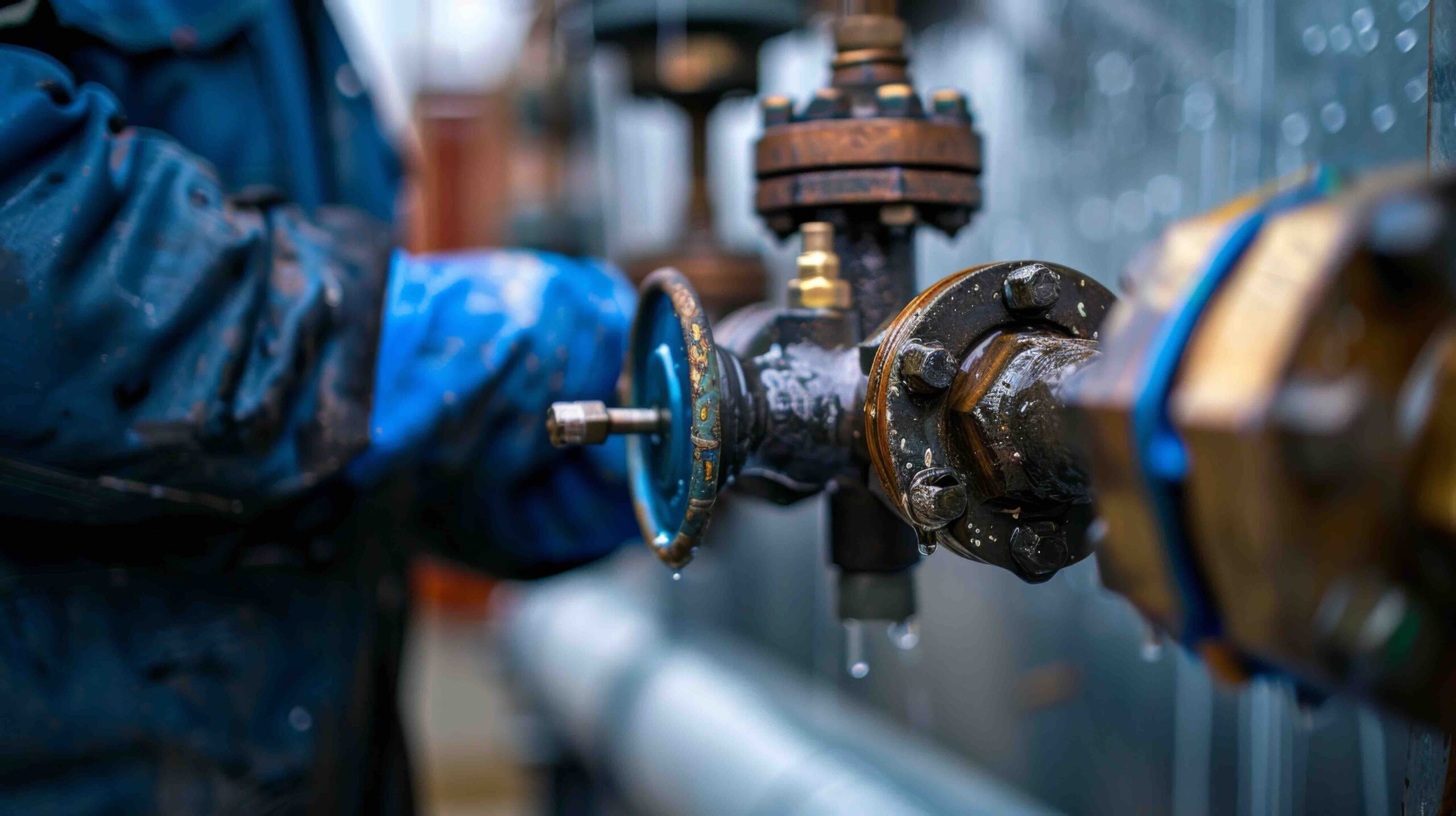
Backflow testing is an annual inspection of backflow prevention devices to ensure they’re working properly. These devices, called backflow preventers, are mechanical assemblies installed on water lines to physically prevent water from flowing backward. Like any mechanical device, they can fail over time due to wear, corrosion, debris, or improper maintenance.
During a backflow test, a certified technician uses specialized gauges to measure water pressure at various points in the backflow preventer. They’re checking that all the internal valves, springs, and seals are functioning correctly. The test involves temporarily creating controlled pressure differentials to simulate backflow conditions and verify that the device properly prevents reverse flow.
The testing process typically takes 15-30 minutes for each device and must be performed by someone with specific certification. The technician will shut off water to the device, attach test gauges, and run through a series of pressure tests following exact procedures outlined by the device manufacturer and local water utility.
After testing, the technician completes an official test report that gets submitted to your water utility and local health department. If the device passes, you’re good for another year. If it fails, the device must be repaired or replaced before water service can continue. Some utilities require immediate shutoff of water service if a device fails testing until repairs are completed.
This isn’t just a formality – backflow preventers do fail regularly. Springs weaken, seals deteriorate, valves stick, and debris interferes with proper operation. Annual testing catches these problems before they can allow contamination to occur.
Who Needs Backflow Testing?
Backflow testing requirements vary by location, but most water utilities require annual testing for properties with higher contamination risk. The specific requirements depend on your local water utility and health department regulations.
- Commercial Properties almost always require backflow testing. This includes restaurants, offices, retail stores, warehouses, manufacturing facilities, and any business connected to public water. The assumption is that commercial properties have a higher risk of cross-connections between potable and non-potable water systems.
- Residential Properties with certain features also require testing. This includes homes with irrigation systems, swimming pools, boilers, fire sprinkler systems, or any direct connection between the water supply and potential contamination sources. Some utilities require testing for all residential properties, while others only require it for specific risk factors.
- Multi-family Housing like apartments and condominiums typically require backflow testing, as do mobile home parks and any residential property serving multiple units.
- Special Use Properties definitely need testing. This includes hospitals, schools, industrial facilities, car washes, laundromats, veterinary clinics, funeral homes, and any property where chemicals, waste, or non-potable water might come into contact with the drinking water supply.
The key factor isn’t the type of property but the presence of cross-connections – any physical connection between potable water and potential contamination sources. Even a simple garden hose with a spray nozzle sitting in a bucket creates a cross-connection that could require backflow prevention.
If you’re not sure whether your property requires testing, check with your water utility. They maintain records of which properties have backflow preventers and when testing is due. Many utilities send annual notices, but the property owner is ultimately responsible for compliance regardless of whether they receive a notice.
Types of Backflow Prevention Devices
Different situations require different types of backflow prevention devices, each with specific testing procedures and requirements.
RPZ Assemblies
Reduced Pressure Zone (RPZ) Assemblies are the most common and most protective type. They use two check valves separated by a chamber that’s vented to atmosphere. If either check valve fails, contaminated water is discharged out of the assembly rather than flowing backward. RPZ assemblies are required for high-hazard situations and must be installed above ground where the relief valve can discharge freely.
Double Check Valve Assemblies
Double Check Valve Assemblies use two spring-loaded check valves to prevent backflow but don’t have the atmospheric vent of RPZ assemblies. They’re used in medium-hazard situations where the potential contamination is less severe. They’re less expensive than RPZ assemblies but provide less protection.
Pressure Vacuum Breakers (PVB)
Pressure Vacuum Breakers (PVB) are simpler devices often used for irrigation systems. They work by introducing air into the system when pressure drops, preventing siphoning. They must be installed at least 12 inches above the highest downstream outlet and can’t have any valves or outlets downstream.
Atmospheric Vacuum Breakers (AVB)
Atmospheric Vacuum Breakers (AVB) are the simplest and least expensive option, often used on individual fixtures like hose bibs. They’re not testable devices and must be replaced periodically rather than tested.
Spill-resistant Vacuum Breakers
Spill-resistant Vacuum Breakers are newer devices that function like PVBs but don’t spill water during normal operation. They’re becoming popular for irrigation applications where traditional PVBs would create water waste or aesthetic problems.
Each device type has specific testing procedures, and certified testers must be trained on the particular devices they’re testing. The wrong test procedure can damage a device or give false results, which is why proper certification is essential.
The Backflow Testing Process
Understanding what happens during backflow testing helps property owners prepare and ensures they’re getting proper service from their testing company.
1. Scheduling and Preparation
Scheduling and Preparation starts with contacting a certified backflow tester, usually 2-4 weeks before your testing deadline. Most utilities provide lists of certified testers, or you can contact a plumbing company that offers backflow services. You’ll need to provide access to all backflow devices and may need to coordinate with tenants or employees who might be affected by temporary water shutoffs.
2. Device Location and Inspection
Device Location and Inspection begins each test. The technician will locate all backflow prevention devices on your property and visually inspect them for obvious problems like leaks, corrosion, or physical damage. They’ll also verify that devices are properly installed with adequate clearance and drainage.
3. Testing Procedures
Testing Procedures follow strict protocols specific to each device type. For RPZ assemblies, this involves testing the differential pressure relief valve, first check valve, and second check valve in sequence. The technician attaches calibrated test gauges and uses controlled pressure changes to verify proper operation. For other device types, different procedures apply.
4. Documentation and Reporting
Documentation and Reporting concludes each test. The technician completes an official test form that includes device information, test results, and any problems found. This form gets submitted to your water utility and health department, usually electronically. You should receive a copy showing that testing was completed and whether the device passed or failed.
5. Follow-up Actions
Follow-up Actions depend on test results. If devices pass, you’re done until next year. If any device fails, it must be repaired or replaced immediately. Some utilities allow a brief grace period for repairs, while others require immediate water shutoff until the problem is fixed.
The entire process for a typical property takes 1-3 hours depending on the number and type of devices. Large commercial properties with multiple devices may require half a day or more.
Testing Requirements and Frequency
Backflow testing requirements are set by local water utilities and health departments, but most follow similar patterns based on industry standards and state regulations.
- Annual Testing is the most common requirement. Most jurisdictions require backflow devices to be tested every 12 months from the date of installation or previous test. This timing is based on research showing that device failure rates increase significantly after one year of operation.
- Initial Testing must occur immediately after device installation or major repairs. New devices can have manufacturing defects or installation problems that prevent proper operation. Some utilities also require testing after any plumbing work that could affect the device.
- Special Circumstances may trigger additional testing requirements. If a device fails testing and is repaired, it may need retesting within 30 days to verify proper repair. Properties with repeated failures might be placed on more frequent testing schedules.
- Compliance Deadlines are strictly enforced by most utilities. Testing must be completed and reported by specific dates, usually based on the anniversary of previous testing. Late testing often results in automatic water service disconnection, sometimes without additional warning.
- Grace Periods vary by utility, but most allow 30-60 days after the anniversary date before shutting off water service. However, some utilities shut off water immediately upon deadline expiration, especially for repeat violators or high-risk properties.
- Penalty Enforcement for non-compliance typically escalates from notices to service disconnection. Reconnection usually requires completing all required testing plus paying reconnection fees. Some jurisdictions also impose daily fines for continuing non-compliance.
The key is staying ahead of deadlines. Most testing companies get busy near common deadline periods, so scheduling early ensures availability and avoids last-minute rushes that could result in missed deadlines.
What Happens If Your Device Fails Testing?
Backflow device failure isn’t uncommon, and the response depends on the type of failure and local regulations. Understanding the process helps property owners prepare for potential issues.
- Immediate Shutdown requirements apply in some jurisdictions when devices fail testing. Water service may be disconnected immediately upon failure notification, especially for high-hazard properties or repeat violators. Other areas allow brief grace periods for repairs, typically 5-10 days.
- Repair vs. Replacement decisions depend on the nature of the failure and device age. Minor issues like dirty valves or worn seals can often be repaired quickly and inexpensively. Major problems like cracked housings, corroded internal components, or multiple simultaneous failures usually require complete device replacement.
- Qualified Repair Technicians must perform all work on backflow devices. This typically requires different certification than testing – repair technicians need training on device disassembly, part replacement, and proper reassembly procedures. Some testers are also certified for repairs, while others only test devices.
- Retesting Requirements apply after any repair work. Devices must pass testing before being returned to service, and this retesting must be performed by a certified tester (who may or may not be the same person who performed repairs). Some jurisdictions require the same tester to handle both repair and retesting to ensure accountability.
- Documentation Updates must reflect all work performed. Failed test reports, repair records, and successful retest results all need to be submitted to appropriate authorities. This documentation trail proves compliance and may be required for insurance claims or legal purposes.
- Cost Implications vary significantly based on the problem. Simple repairs might cost $100-300, while device replacement can run $500-2,000 or more depending on size and type. Emergency repairs often carry premium pricing, making preventive maintenance and timely testing financially advantageous.
The best approach is working with a qualified company that can handle both testing and repairs. This streamlines the process and often reduces costs compared to coordinating multiple contractors.
Cost of Backflow Testing
Backflow testing costs vary based on location, device type, property complexity, and market competition, but understanding typical pricing helps in budgeting and vendor selection.
Basic Testing Fees
Basic testing fees for simple residential devices typically range from $75-150 per device. This covers standard testing procedures, basic reporting, and submission to authorities. Urban areas with more competition tend toward the lower end, while rural areas or regions with fewer certified testers cost more.
Commercial Testing Costs
Commercial testing costs are usually higher due to larger, more complex devices and additional reporting requirements. Expect $100-250 per device for commercial properties, with larger assemblies costing more than smaller ones. Multiple devices on the same property often qualify for volume discounts.
Additional Fees and Charges
Travel and Access Charges
Travel and access charges may apply for properties requiring special arrangements. If devices are difficult to reach, require special equipment access, or are located far from the tester’s normal service area, additional charges of $25-100 are common. Properties requiring after-hours or weekend testing also typically pay premium rates.
Report Processing Fees
Report processing fees are sometimes charged separately, typically $10-25 per device. This covers the administrative cost of submitting test results to utilities and health departments and providing copies to property owners. Some testers include this in their base price while others itemize it separately.
Failed Device Charges
Failed device charges may include additional fees for extra time and paperwork associated with failure documentation and coordination with repair services. Some testers charge the same regardless of test results, while others add $25-50 for failed device processing.
Cost-Saving Options
Annual Service Contracts
Annual service contracts can reduce per-test costs for properties with multiple devices or those wanting guaranteed service availability. These contracts typically offer 10-20% discounts compared to one-time testing and may include priority scheduling and bundled repair services.
Emergency Testing Premium
Emergency testing costs significantly more than scheduled service, often 50-100% premium over standard rates. This applies when testing is needed immediately due to regulatory deadlines or compliance issues.
Overall, annual testing costs are minimal compared to potential consequences of non-compliance, including water service disconnection, reconnection fees, and possible fines. Most property owners consider testing a routine maintenance expense similar to HVAC service or elevator inspections.
Finding Qualified Backflow Testing Services
Selecting a reliable, qualified backflow testing service ensures compliance and protects your property from testing-related problems.
Utility Approved Lists
Utility approved lists are the best starting point for finding qualified testers. Most water utilities maintain current lists of certified testers approved to work in their service area. These lists typically include contact information and may indicate specializations or service territories.
Certification Verification
Certification verification should always be confirmed before hiring any tester. Check with the certifying organization (usually the state health department or specialized testing agency) to verify current certification status. Expired certifications void test results and create compliance problems.
Local Plumbing Companies
Local plumbing companies often provide backflow testing services along with repair capabilities. This can be convenient for properties needing both testing and potential repairs, though specialized backflow companies may offer more competitive pricing for testing-only services.
Service Considerations
Service Area Coverage
Service area coverage affects availability and pricing. Some testers work regionally while others serve specific cities or counties. Rural properties may have limited options and higher costs due to travel requirements.
Scheduling Reliability
Scheduling reliability varies significantly between providers. Established companies typically offer better scheduling reliability and deadline protection, while individual operators may have more limited availability during busy periods.
Emergency Availability
Emergency availability can be crucial for properties facing compliance deadlines or unexpected device failures. Some companies offer emergency services while others only work scheduled appointments.
Quality Assurance Factors
Insurance and Guarantees
Insurance and guarantees protect property owners from potential problems during testing. Verify that testers carry adequate liability insurance and guarantee their work. Some also offer compliance guarantees, promising to handle any regulatory issues arising from their testing.
Customer References
Customer references provide insight into service quality and reliability. Ask for references from similar property types and contact them about their experience with scheduling, pricing, and problem resolution.
The goal is finding a reliable partner for ongoing compliance rather than just the cheapest one-time service. Annual testing relationships work best when built on trust, reliability, and consistent quality service.
Maintaining Your Backflow Prevention Device
Proper maintenance between annual tests extends device life, reduces failure rates, and ensures continued protection of the water supply.
Regular Inspection and Monitoring
Visual Inspections
Visual inspections should be performed monthly by property owners or maintenance staff. Look for obvious problems like leaks, corrosion, physical damage, or debris accumulation. Check that discharge outlets are clear and properly drained, and verify that the device hasn’t been tampered with or modified.
Documentation Maintenance
Documentation maintenance includes keeping all test reports, repair records, and maintenance logs in organized files. Regulatory authorities may request this documentation, and it’s valuable for tracking device performance and planning replacements.
Environmental Protection
Seasonal Preparations
Seasonal preparations protect devices from freeze damage, a common cause of expensive failures. Drain devices completely before freezing weather in climates where this is a concern, or install freeze protection systems. Remove snow and ice accumulation that could interfere with proper operation.
Landscaping Considerations
Landscaping considerations ensure devices remain accessible and properly protected. Maintain clearance around devices for testing and maintenance access. Avoid planting vegetation that could interfere with device operation or create moisture retention problems.
Discharge Drainage
Discharge drainage must be maintained for proper device operation. RPZ assemblies discharge water during testing and whenever pressure conditions trigger the relief valve. Ensure discharge outlets drain properly and don’t create standing water or erosion problems.
Professional Services
Professional Maintenance
Professional maintenance may be worthwhile for critical properties or aging devices. Some backflow companies offer maintenance programs that include periodic inspections, minor adjustments, and preventive part replacement. This can reduce failure rates and extend device life.
Replacement Planning
Replacement planning should begin when devices reach 10-15 years of age or start experiencing frequent failures.
The Bottom Line on Backflow Testing
Backflow testing is a mandatory safety requirement that protects your community’s drinking water from contamination. While it might seem like just another regulatory burden, the testing serves a crucial public health function and the consequences of non-compliance can be severe.
Most property owners find that once they understand the process and establish a relationship with a qualified tester, annual backflow testing becomes a routine maintenance item similar to other building systems. The costs are reasonable compared to the potential consequences, and the process is straightforward when handled by qualified professionals.
The key to successful compliance is planning ahead. Don’t wait until the last minute to schedule testing, and make sure you’re working with properly certified professionals who can handle both testing and any necessary repairs. Stay informed about your testing deadlines and maintain your devices properly between tests to minimize failure rates.
Need Backflow Testing? Maplewood Plumbing Has You Covered
Keeping up with backflow testing requirements can be stressful, especially when water service disconnection is threatened for non-compliance. Whether you’re scrambling to meet a deadline or planning ahead for next year’s requirements, Maplewood Plumbing makes the process simple and reliable.
Don’t risk water service disconnection — call (314)645-6350 to schedule your backflow test today!
Comments are closed