

Your Complete Guide to How Septic Tanks Work
Ever wonder where all that water goes when you flush the toilet or drain the bathtub? For homes with septic systems, the answer is surprisingly fascinating. Buried beneath your yard is an entire wastewater treatment operation that uses nothing but gravity, bacteria, and clever engineering to clean your household water. Keep reading as we cover everything you need to know about how septic tanks work.
Understanding the Different Parts of a Septic System
The Septic Tank
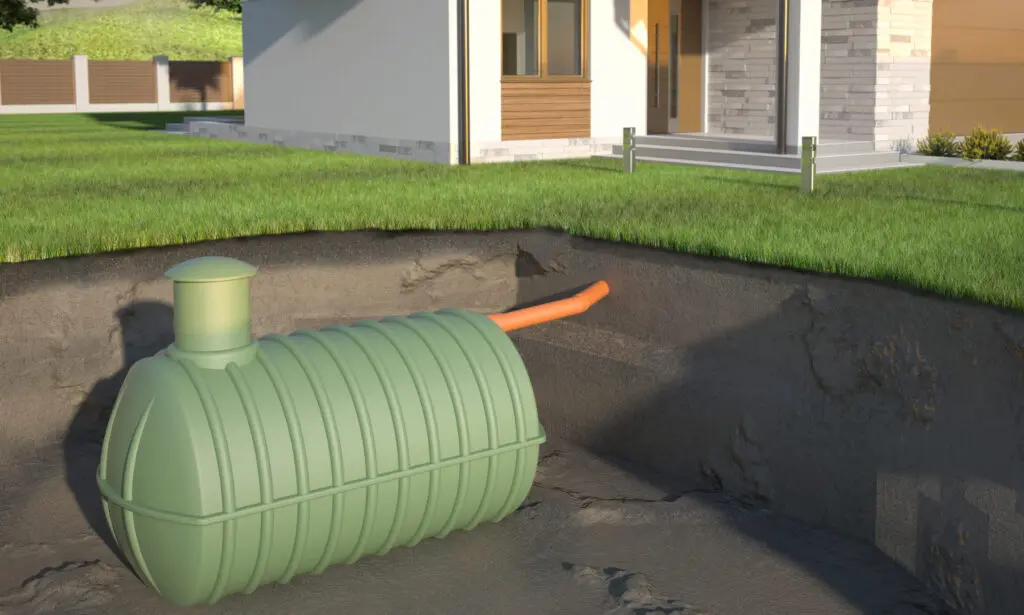
First, let’s start with the septic tank itself, a large underground container that holds between 750 and 1,250 gallons depending on your home’s size. Most tanks are made from concrete, though you’ll also find fiberglass and polyethylene plastic versions. The tank is where the initial treatment happens, giving wastewater time to separate into layers and allowing bacteria to break down solid waste. A removable lid on top provides access for pumping and inspections.
Inlet Pipe
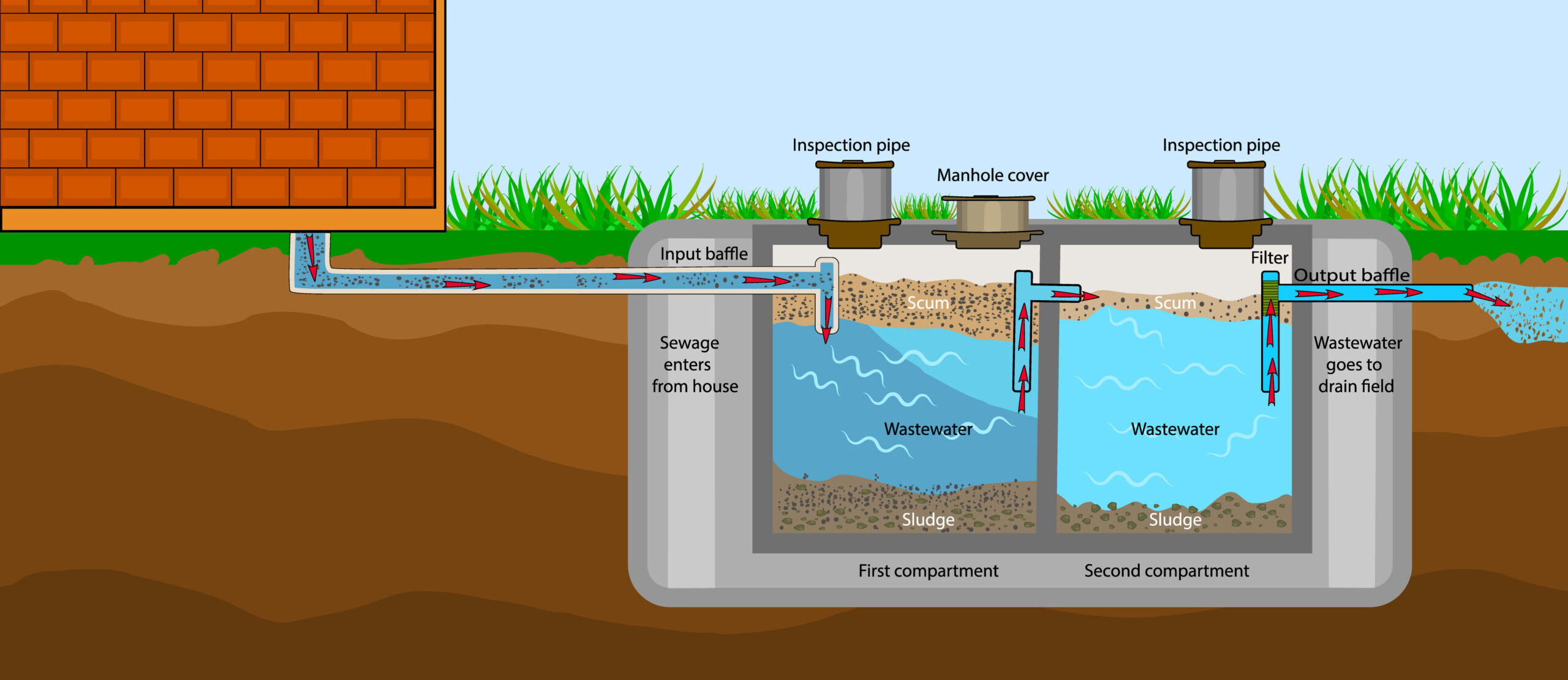
The inlet pipe is how wastewater enters your septic tank. Connected to your home’s main drain line, this pipe carries everything from your toilets, sinks, showers, and appliances directly into the tank. It’s typically positioned near the top of the tank to allow proper flow. An inlet baffle or tee fitting at the pipe’s end prevents turbulence from disturbing the separation process happening inside the tank.
The Three Layers Inside
Once wastewater enters the tank, gravity naturally separates it into three distinct layers. At the top floats the scum layer, made up of oils, grease, soap residue, and anything lighter than water. In the middle sits the effluent layer, which is relatively clear liquid wastewater. At the bottom accumulates the sludge layer, where solid waste and heavier particles sink and collect. These layers are essential to the treatment process and explain why certain items should never go down your drains.
Outlet Pipe & Baffle
The outlet pipe is positioned lower than the inlet pipe and allows the middle effluent layer to exit the tank toward the drain field. An outlet baffle or tee fitting prevents scum and sludge from leaving with the effluent. This baffle is crucial because if solids escape into your drain field, they can cause expensive clogs and system failure. The outlet baffle keeps only partially treated liquid flowing to the next stage.
Drain Field (Leach Field)
The drain field is where the final treatment happens, and it’s usually the largest component of your septic system. Also called a leach field or soil absorption system, it consists of perforated distribution pipes buried in gravel-filled trenches, typically one to three feet underground. The effluent from your septic tank trickles out through small holes in these pipes and seeps into the surrounding gravel and soil. The soil acts as a natural filter, removing harmful bacteria, viruses, and nutrients before the water rejoins the groundwater.
The Soil
While it might not seem like a “part” of your septic system, the soil beneath your drain field is absolutely critical. It’s alive with billions of beneficial microorganisms that work as natural purifiers, breaking down organic matter and neutralizing pathogens. The soil also physically filters remaining particles and absorbs nutrients. The right soil conditions are essential for proper treatment, which is why drain fields need permeable soil that allows water to pass through at the right speed.
Distribution Box
Some septic systems include a distribution box, a small concrete or plastic chamber that sits between the tank and the drain field. Its job is to evenly distribute effluent among multiple drain field lines, ensuring no single line gets overloaded. Inside the box, the effluent splits off into several pipes that lead to different sections of the drain field, promoting even absorption and extending the life of your system.
How The Different Parts of Your Septic System Work Together
Now that we’ve examined all the key parts of a septic system, let’s walk through how they work together to treat your household wastewater.
- Wastewater from your toilets, sinks, showers, and appliances flows through your home’s drainage pipes to the inlet pipe.
- The wastewater enters the septic tank through the inlet baffle, which directs the flow downward to avoid disturbing the layers.
- Inside the tank, gravity separates the wastewater into three layers: scum floats to the top, sludge sinks to the bottom, and effluent remains in the middle.
- Naturally occurring bacteria inside the tank break down the organic matter in the sludge and scum layers, converting solids into simpler compounds, liquids, and gases. This process takes 24 to 48 hours.
- As more wastewater enters the tank, it pushes the clarified effluent out through the outlet baffle and into the outlet pipe.
- The effluent flows to the distribution box (if your system has one) and then into the drain field’s perforated pipes.
- The effluent seeps out through the holes in the pipes, trickling through gravel and into the soil below.
- Beneficial microorganisms in the soil complete the treatment process, filtering and neutralizing harmful substances before the clean water eventually reaches the groundwater.
Complete Diagram Showing How a Septic Tank Works
Frequently Asked Questions About Owning a Septic Tank
What’s the purpose of having a septic tank?
A septic tank is a large underground container, typically holding 750 to 1,250 gallons, that treats all the wastewater from your home when you’re not connected to municipal sewage. Every time you flush a toilet, run the dishwasher, or take a shower, that water flows into your septic tank where natural processes begin breaking it down. Inside the tank, gravity separates the wastewater into three layers: solids sink to the bottom forming sludge, oils and grease float to the top creating scum, and relatively clean liquid remains in the middle.
Beneficial bacteria living inside the tank work constantly to break down the organic matter in the sludge and scum layers. The partially treated liquid then flows out to your drain field, where soil and microorganisms complete the treatment process before the water rejoins the groundwater. Most septic tanks are made from concrete, fiberglass, or heavy-duty plastic and are designed to last for decades with proper maintenance.
How do you know if your septic tank is full?
The most obvious signs of a full septic tank include slow drains throughout your entire house, not just in one location. If multiple sinks, toilets, and showers are all draining slowly at the same time, your tank has likely reached capacity and needs pumping.
You might also notice gurgling sounds coming from your drains or toilet, especially when you’re not actively using water.
Foul sewage odors inside your home or near your septic tank and drain field are another telltale sign that your system is overfull.
In more serious cases, you might see unusually lush, green grass or soggy, wet areas over your drain field where effluent is surfacing instead of being absorbed properly.
How much does it cost to pump a septic tank?
The national average cost to pump a septic tank ranges from $300 to $500, though prices can vary based on your location, tank size, and accessibility. Most standard residential tanks fall into this price range for a routine pumping.
However, several factors can affect the final cost. Larger tanks holding 1,500 gallons or more will cost more to pump than smaller 750-gallon tanks. If your tank is difficult to access or the lids are buried and need to be uncovered, expect to pay extra for the additional labor.
How often should a septic tank be pumped?
Most septic tanks need pumping every three to five years, though your specific schedule depends on several factors. A household with more people generates more wastewater and fills the tank faster, requiring more frequent pumping. A smaller tank serving a large family will need pumping more often than a large tank serving just one or two people. Your water usage habits also play a role. If you run multiple loads of laundry daily, take long showers, or have a leaky toilet that’s constantly running, you’re putting extra strain on your system. But, as a general rule, when the sludge layer reaches about one-third of the tank’s depth, it’s time to pump.
How long do septic tanks last?
How long your septic tank lasts depends primarily on what material it’s made from and how well you maintain it. Concrete septic tanks, for example, are the most durable and can last 40 years or more when properly cared for, though the concrete lids may need replacement sooner due to corrosion. Fiberglass and plastic tanks typically last 30 to 40 years and resist corrosion better than concrete, though they can be damaged if the soil shifts. Steel septic tanks have the shortest lifespan at just 15 to 20 years because they’re prone to rust and corrosion.
Are all types of septic systems the same?
Good question! There are three main types of septic systems; conventional gravity systems, pressure distribution systems, and aerobic treatment units (ATU).
The most common type is the conventional gravity system, which uses natural gravity to move wastewater from your home into the septic tank and then out to the drain field. This is the simplest and most affordable option, working well on properties with appropriate soil conditions and adequate space for a drain field.
The second type is the pressure distribution system, which uses a pump to evenly distribute effluent throughout the drain field. This system works well on properties with shallow soil, high groundwater, or uneven terrain where gravity alone isn’t sufficient. The pump is housed in a small chamber after the septic tank and pushes effluent through small-diameter pipes to ensure even distribution and better treatment.
The third main type is the aerobic treatment unit (ATU), which differs from conventional systems by pumping oxygen into the tank to support aerobic bacteria that break down waste more efficiently than anaerobic bacteria.
ATUs produce cleaner effluent and are often required on properties with poor soil conditions, limited space, or proximity to water sources. They require more maintenance than conventional systems, including regular inspections and occasional servicing of the mechanical components.
Some areas also use mound systems, which are essentially pressure distribution systems with the drain field built above ground in a sand mound, typically required when the natural soil is too shallow or impermeable for conventional drain fields.
Let’s be honest, dealing with septic issues isn’t exactly anyone’s idea of a fun weekend project. That’s where Maplewood Plumbing comes in. Whether you need routine drain cleaning, suspect a problem, or want a professional inspection, contact us today and we’ll take care of your septic system needs. After all, some things are better left to the experts.
Comments are closed